Add reactive variation to your glaze tests. Use Vibes on its own or with other Studio Line glazes, and compare colors before planning your next layered surface.
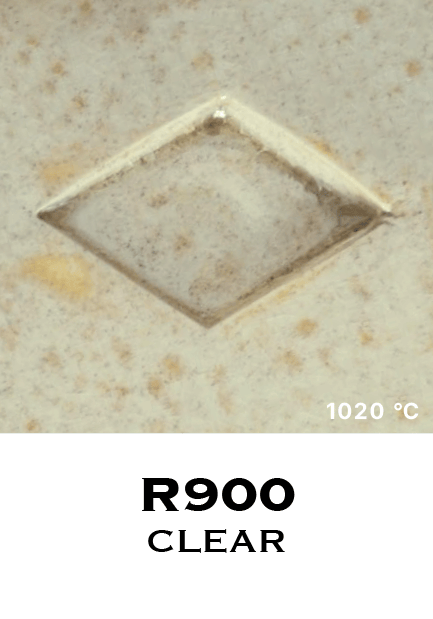
Vibes is a reactive glossy Studio Line effect glaze with a wide stated firing range. R900 Clear - Vibes Glaze can be used as a top layer, a base, or on its own. Surface effects become more pronounced at higher temperatures; at lower temperatures the finish may read whiter and may crackle. Thicker applications and higher temperatures can increase movement, so plan the form and application with care. This collection is useful for independent artists, pottery studios, and ceramic businesses testing distinctive one-off surfaces or developing a repeatable process.
Application
Stir well. Apply with a brush, sponge, or stamp in 2-3 coats, allowing each coat to dry. Vary thickness on test tiles and record the layer order when combining it with other Studio Line glazes.
Firing and testing
Supplier guidance lists 1000-1280 degrees C, Cone 06-9. Test R900 Clear - Vibes Glaze on your clay body before production, including the run and surface changes at your planned temperature.
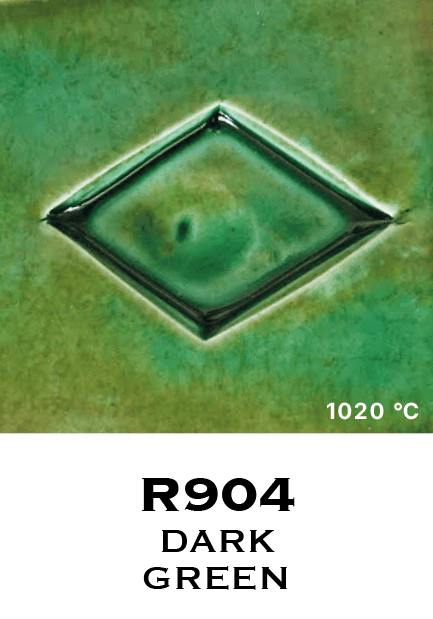
Vibes is a reactive glossy Studio Line effect glaze with a wide stated firing range. R904 Dark Green - Vibes Glaze can be used as a top layer, a base, or on its own. Surface effects become more pronounced at higher temperatures; at lower temperatures the finish may read whiter and may crackle. Thicker applications and higher temperatures can increase movement, so plan the form and application with care. This collection is useful for independent artists, pottery studios, and ceramic businesses testing distinctive one-off surfaces or developing a repeatable process.
Application
Stir well. Apply with a brush, sponge, or stamp in 2-3 coats, allowing each coat to dry. Vary thickness on test tiles and record the layer order when combining it with other Studio Line glazes.
Firing and testing
Supplier guidance lists 1000-1280 degrees C, Cone 06-9. Test R904 Dark Green - Vibes Glaze on your clay body before production, including the run and surface changes at your planned temperature.
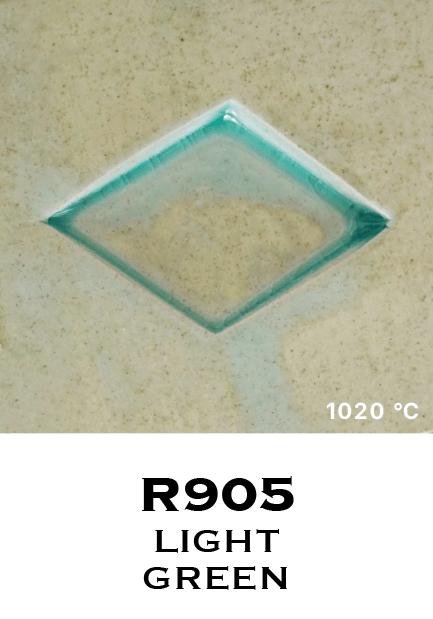
Vibes is a reactive glossy Studio Line effect glaze with a wide stated firing range. R905 Light Green - Vibes Glaze can be used as a top layer, a base, or on its own. Surface effects become more pronounced at higher temperatures; at lower temperatures the finish may read whiter and may crackle. Thicker applications and higher temperatures can increase movement, so plan the form and application with care. This collection is useful for independent artists, pottery studios, and ceramic businesses testing distinctive one-off surfaces or developing a repeatable process.
Application
Stir well. Apply with a brush, sponge, or stamp in 2-3 coats, allowing each coat to dry. Vary thickness on test tiles and record the layer order when combining it with other Studio Line glazes.
Firing and testing
Supplier guidance lists 1000-1280 degrees C, Cone 06-9. Test R905 Light Green - Vibes Glaze on your clay body before production, including the run and surface changes at your planned temperature.
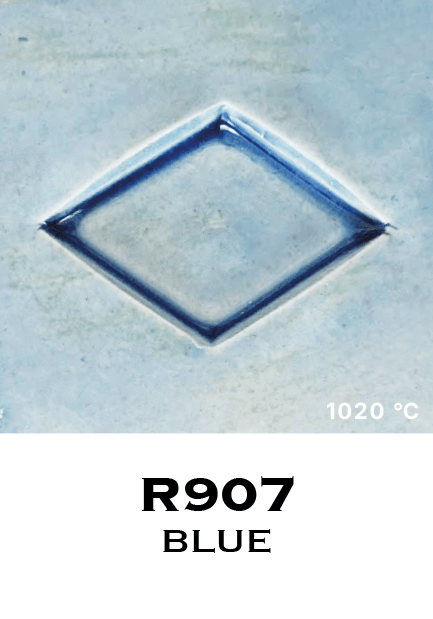
Vibes is a reactive glossy Studio Line effect glaze with a wide stated firing range. R907 Blue - Vibes Glaze can be used as a top layer, a base, or on its own. Surface effects become more pronounced at higher temperatures; at lower temperatures the finish may read whiter and may crackle. Thicker applications and higher temperatures can increase movement, so plan the form and application with care. This collection is useful for independent artists, pottery studios, and ceramic businesses testing distinctive one-off surfaces or developing a repeatable process.
Application
Stir well. Apply with a brush, sponge, or stamp in 2-3 coats, allowing each coat to dry. Vary thickness on test tiles and record the layer order when combining it with other Studio Line glazes.
Firing and testing
Supplier guidance lists 1000-1280 degrees C, Cone 06-9. Test R907 Blue - Vibes Glaze on your clay body before production, including the run and surface changes at your planned temperature.
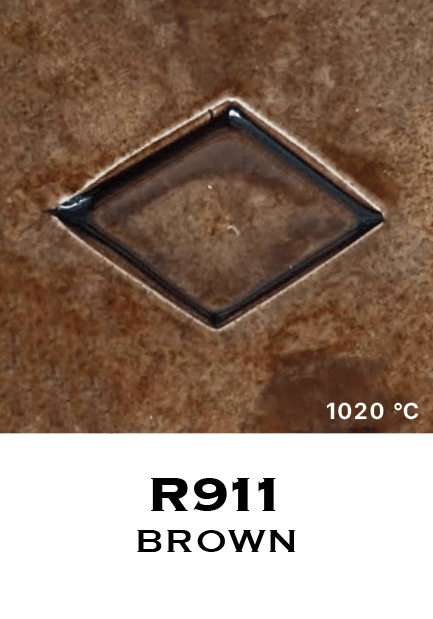
Vibes is a reactive glossy Studio Line effect glaze with a wide stated firing range. R911 Brown - Vibes Glaze can be used as a top layer, a base, or on its own. Surface effects become more pronounced at higher temperatures; at lower temperatures the finish may read whiter and may crackle. Thicker applications and higher temperatures can increase movement, so plan the form and application with care. This collection is useful for independent artists, pottery studios, and ceramic businesses testing distinctive one-off surfaces or developing a repeatable process.
Application
Stir well. Apply with a brush, sponge, or stamp in 2-3 coats, allowing each coat to dry. Vary thickness on test tiles and record the layer order when combining it with other Studio Line glazes.
Firing and testing
Supplier guidance lists 1000-1280 degrees C, Cone 06-9. Test R911 Brown - Vibes Glaze on your clay body before production, including the run and surface changes at your planned temperature.
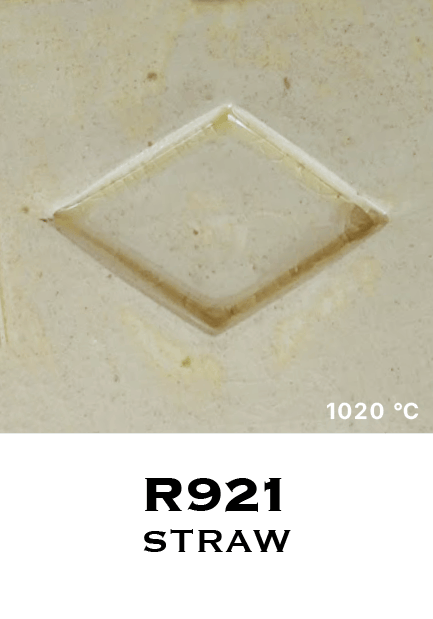
Vibes is a reactive glossy Studio Line effect glaze with a wide stated firing range. R921 Straw - Vibes Glaze can be used as a top layer, a base, or on its own. Surface effects become more pronounced at higher temperatures; at lower temperatures the finish may read whiter and may crackle. Thicker applications and higher temperatures can increase movement, so plan the form and application with care. This collection is useful for independent artists, pottery studios, and ceramic businesses testing distinctive one-off surfaces or developing a repeatable process.
Application
Stir well. Apply with a brush, sponge, or stamp in 2-3 coats, allowing each coat to dry. Vary thickness on test tiles and record the layer order when combining it with other Studio Line glazes.
Firing and testing
Supplier guidance lists 1000-1280 degrees C, Cone 06-9. Test R921 Straw - Vibes Glaze on your clay body before production, including the run and surface changes at your planned temperature.
Explore reactive layers
Vibes is a glossy effect-glaze collection that can be used as a base, a top layer or on its own. Effects depend on thickness and firing: higher temperatures can produce stronger reactions, while lower temperatures may leave a whiter finish or crackling.
Allow for glaze movement
Stir well and apply with a brush, sponge or stamp. Supplier guidance suggests 2-3 coats with drying time between coats, but the right application depends on the result you are testing. Vibes can run at higher temperatures, so account for movement near the base of your piece.
Check the specific glaze's firing range and test combinations on your own clay before production. Keep notes on layer order and thickness to compare samples reliably.