Let the shape of your pottery stand out with a soft matte surface. Compare Matt glaze colors below, with guidance for testing satin blends and contrasting glossy finishes.
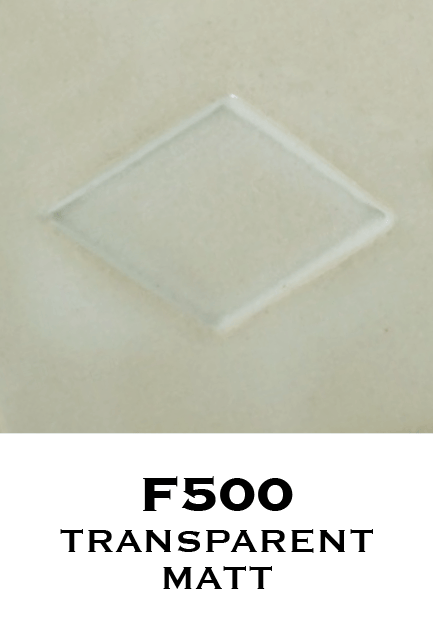
Matt gives the Studio Line palette a quiet, contemporary surface that lets the form and texture of a piece stay visible. F500 Transparent Matt - Matt Glaze can support independent artists, pottery studios, and ceramic businesses working on one-off pieces or repeatable collections. Pair Matt with Bright for contrast or a satin result; combining it with Vibes can introduce a reactive surface change. At the upper end of the stated range, the Matt surface may read more satin.
Application
Stir well. Apply with a brush, sponge, or stamp in 2-3 coats, allowing each coat to dry before the next. Keep notes on clay body, coat thickness, combinations, and firing when developing a repeatable studio test.
Firing and testing
Supplier guidance lists 1180-1280 degrees C, Cone 4-9. Test F500 Transparent Matt - Matt Glaze on your clay body before production, including the temperature you intend to use.
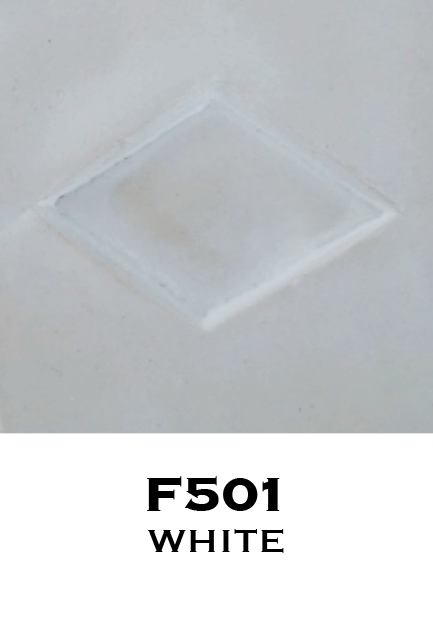
Matt gives the Studio Line palette a quiet, contemporary surface that lets the form and texture of a piece stay visible. F501 White - Matt Glaze can support independent artists, pottery studios, and ceramic businesses working on one-off pieces or repeatable collections. Pair Matt with Bright for contrast or a satin result; combining it with Vibes can introduce a reactive surface change. At the upper end of the stated range, the Matt surface may read more satin.
Application
Stir well. Apply with a brush, sponge, or stamp in 2-3 coats, allowing each coat to dry before the next. Keep notes on clay body, coat thickness, combinations, and firing when developing a repeatable studio test.
Firing and testing
Supplier guidance lists 1180-1280 degrees C, Cone 4-9. Test F501 White - Matt Glaze on your clay body before production, including the temperature you intend to use.
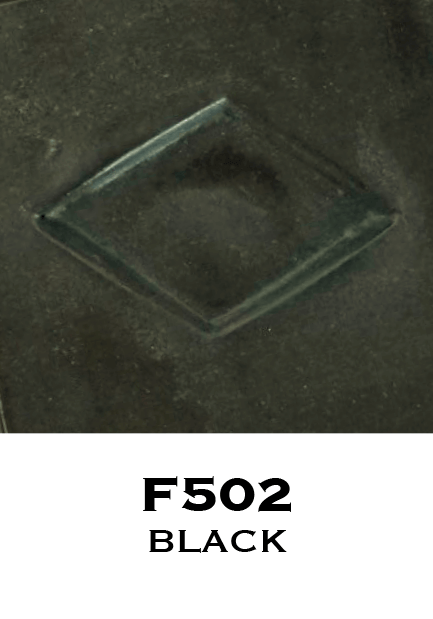
Matt gives the Studio Line palette a quiet, contemporary surface that lets the form and texture of a piece stay visible. F502 Black - Matt Glaze can support independent artists, pottery studios, and ceramic businesses working on one-off pieces or repeatable collections. Pair Matt with Bright for contrast or a satin result; combining it with Vibes can introduce a reactive surface change. At the upper end of the stated range, the Matt surface may read more satin.
Application
Stir well. Apply with a brush, sponge, or stamp in 2-3 coats, allowing each coat to dry before the next. Keep notes on clay body, coat thickness, combinations, and firing when developing a repeatable studio test.
Firing and testing
Supplier guidance lists 1180-1280 degrees C, Cone 4-9. Test F502 Black - Matt Glaze on your clay body before production, including the temperature you intend to use.
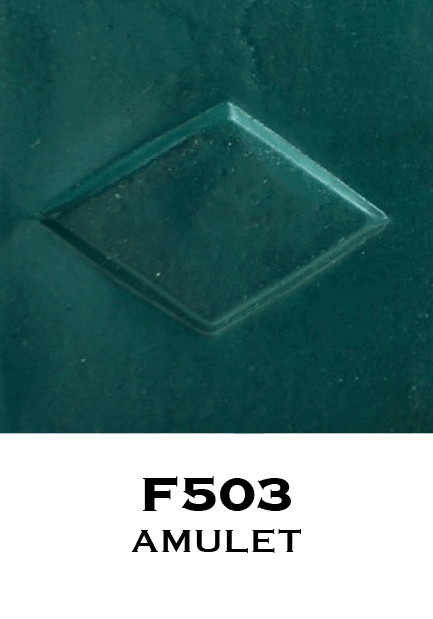
Matt gives the Studio Line palette a quiet, contemporary surface that lets the form and texture of a piece stay visible. F503 Amulet - Matt Glaze can support independent artists, pottery studios, and ceramic businesses working on one-off pieces or repeatable collections. Pair Matt with Bright for contrast or a satin result; combining it with Vibes can introduce a reactive surface change. At the upper end of the stated range, the Matt surface may read more satin.
Application
Stir well. Apply with a brush, sponge, or stamp in 2-3 coats, allowing each coat to dry before the next. Keep notes on clay body, coat thickness, combinations, and firing when developing a repeatable studio test.
Firing and testing
Supplier guidance lists 1180-1280 degrees C, Cone 4-9. Test F503 Amulet - Matt Glaze on your clay body before production, including the temperature you intend to use.
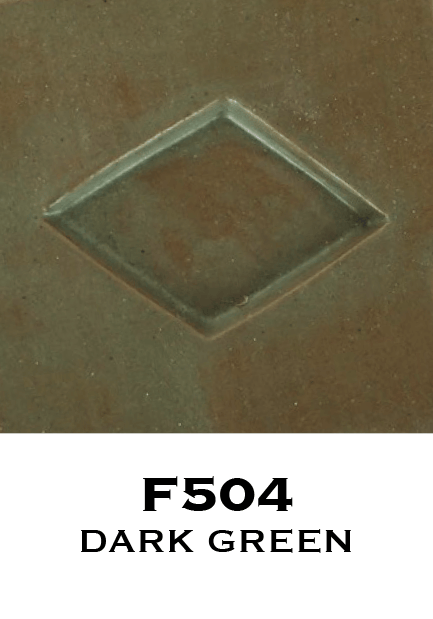
Matt gives the Studio Line palette a quiet, contemporary surface that lets the form and texture of a piece stay visible. F504 Dark Green - Matt Glaze can support independent artists, pottery studios, and ceramic businesses working on one-off pieces or repeatable collections. Pair Matt with Bright for contrast or a satin result; combining it with Vibes can introduce a reactive surface change. At the upper end of the stated range, the Matt surface may read more satin.
Application
Stir well. Apply with a brush, sponge, or stamp in 2-3 coats, allowing each coat to dry before the next. Keep notes on clay body, coat thickness, combinations, and firing when developing a repeatable studio test.
Firing and testing
Supplier guidance lists 1180-1280 degrees C, Cone 4-9. Test F504 Dark Green - Matt Glaze on your clay body before production, including the temperature you intend to use.
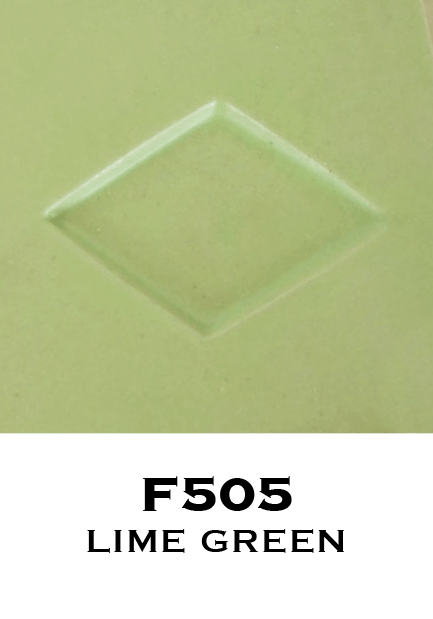
Matt gives the Studio Line palette a quiet, contemporary surface that lets the form and texture of a piece stay visible. F505 Lime Green - Matt Glaze can support independent artists, pottery studios, and ceramic businesses working on one-off pieces or repeatable collections. Pair Matt with Bright for contrast or a satin result; combining it with Vibes can introduce a reactive surface change. At the upper end of the stated range, the Matt surface may read more satin.
Application
Stir well. Apply with a brush, sponge, or stamp in 2-3 coats, allowing each coat to dry before the next. Keep notes on clay body, coat thickness, combinations, and firing when developing a repeatable studio test.
Firing and testing
Supplier guidance lists 1180-1280 degrees C, Cone 4-9. Test F505 Lime Green - Matt Glaze on your clay body before production, including the temperature you intend to use.
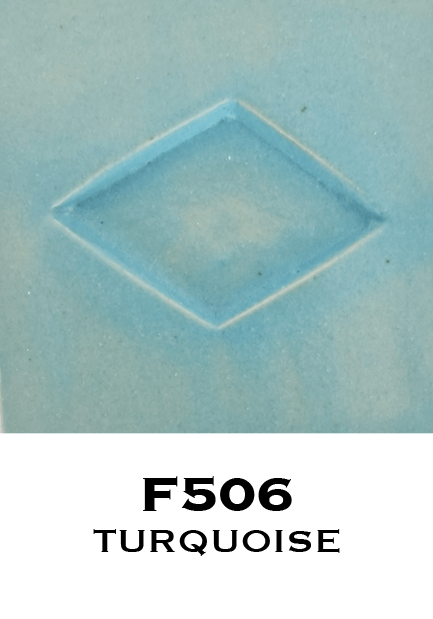
Matt gives the Studio Line palette a quiet, contemporary surface that lets the form and texture of a piece stay visible. F506 Turquoise - Matt Glaze can support independent artists, pottery studios, and ceramic businesses working on one-off pieces or repeatable collections. Pair Matt with Bright for contrast or a satin result; combining it with Vibes can introduce a reactive surface change. At the upper end of the stated range, the Matt surface may read more satin.
Application
Stir well. Apply with a brush, sponge, or stamp in 2-3 coats, allowing each coat to dry before the next. Keep notes on clay body, coat thickness, combinations, and firing when developing a repeatable studio test.
Firing and testing
Supplier guidance lists 1180-1280 degrees C, Cone 4-9. Test F506 Turquoise - Matt Glaze on your clay body before production, including the temperature you intend to use.
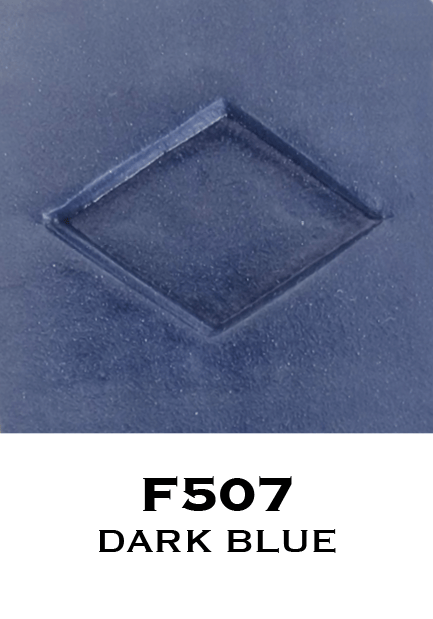
Matt gives the Studio Line palette a quiet, contemporary surface that lets the form and texture of a piece stay visible. F507 Dark Blue - Matt Glaze can support independent artists, pottery studios, and ceramic businesses working on one-off pieces or repeatable collections. Pair Matt with Bright for contrast or a satin result; combining it with Vibes can introduce a reactive surface change. At the upper end of the stated range, the Matt surface may read more satin.
Application
Stir well. Apply with a brush, sponge, or stamp in 2-3 coats, allowing each coat to dry before the next. Keep notes on clay body, coat thickness, combinations, and firing when developing a repeatable studio test.
Firing and testing
Supplier guidance lists 1180-1280 degrees C, Cone 4-9. Test F507 Dark Blue - Matt Glaze on your clay body before production, including the temperature you intend to use.
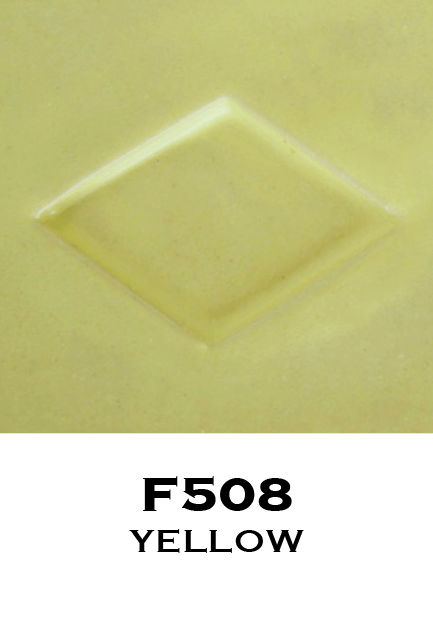
Matt gives the Studio Line palette a quiet, contemporary surface that lets the form and texture of a piece stay visible. F508 Yellow - Matt Glaze can support independent artists, pottery studios, and ceramic businesses working on one-off pieces or repeatable collections. Pair Matt with Bright for contrast or a satin result; combining it with Vibes can introduce a reactive surface change. At the upper end of the stated range, the Matt surface may read more satin.
Application
Stir well. Apply with a brush, sponge, or stamp in 2-3 coats, allowing each coat to dry before the next. Keep notes on clay body, coat thickness, combinations, and firing when developing a repeatable studio test.
Firing and testing
Supplier guidance lists 1180-1280 degrees C, Cone 4-9. Test F508 Yellow - Matt Glaze on your clay body before production, including the temperature you intend to use.
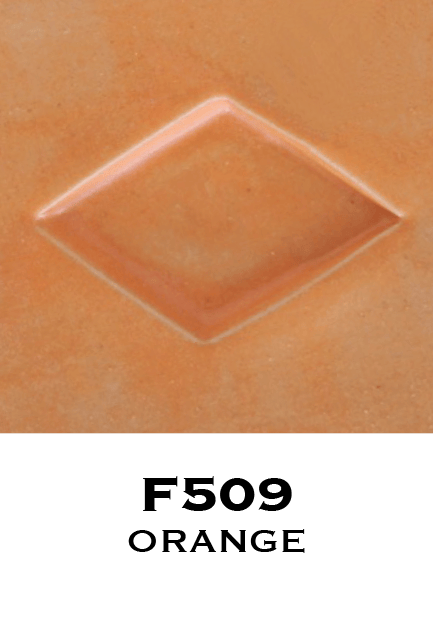
Matt gives the Studio Line palette a quiet, contemporary surface that lets the form and texture of a piece stay visible. F509 Orange - Matt Glaze can support independent artists, pottery studios, and ceramic businesses working on one-off pieces or repeatable collections. Pair Matt with Bright for contrast or a satin result; combining it with Vibes can introduce a reactive surface change. At the upper end of the stated range, the Matt surface may read more satin.
Application
Stir well. Apply with a brush, sponge, or stamp in 2-3 coats, allowing each coat to dry before the next. Keep notes on clay body, coat thickness, combinations, and firing when developing a repeatable studio test.
Firing and testing
Supplier guidance lists 1180-1280 degrees C, Cone 4-9. Test F509 Orange - Matt Glaze on your clay body before production, including the temperature you intend to use.
A quieter surface for your ceramic forms
The Matt collection gives ceramic work a subtle finish that keeps attention on form and texture. Use it alongside Bright glossy glazes to explore contrasting surfaces. At the upper end of the firing range, the finish may become more satin.
Test application and satin blends
Stir well, then brush, sponge or stamp on 2-3 coats, allowing each coat to dry. Matt colors can be intermixed; mixing with Bright can produce a satin appearance, while Vibes combinations offer reactive effects.
Check the individual product's firing guidance and test on your clay body. Coat thickness, mixing proportions and kiln schedule all influence the final surface.