Studio Line glazes

Browse Studio Line glazes by collection, color, and surface.

  1. Home >

Reactive Ceramic Glazes for Pottery

Find ceramic glazes with surface variation and reactive effects. Compare colors from the Vibes and By The Sea collections, then review each product before planning your glaze tests.

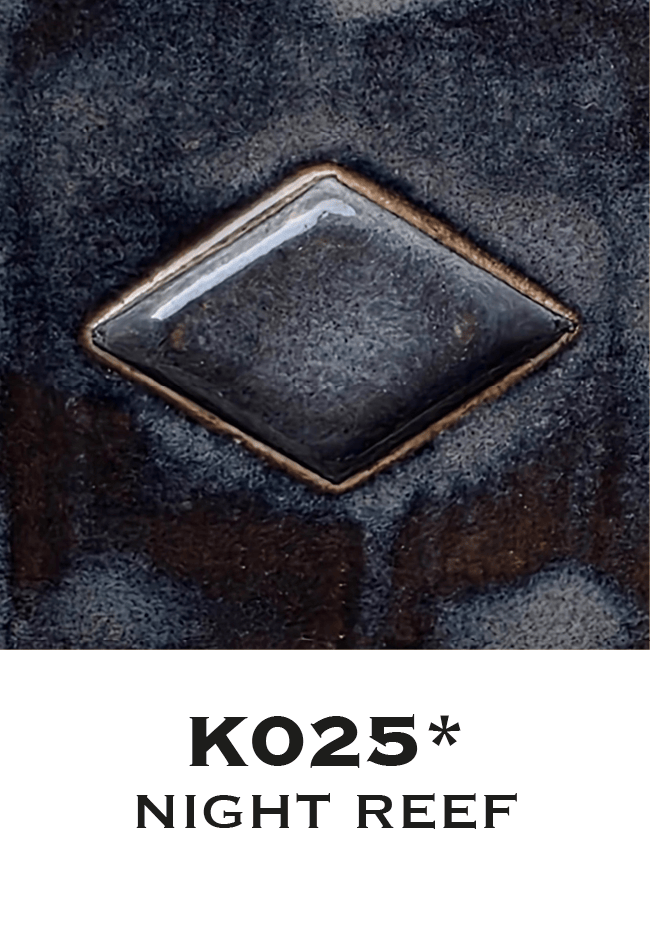
K025 Night Reef - By The Sea Glaze - Product Image
Click For Details

K025 Night Reef - By The Sea Glaze

About this glaze

By The Sea is a reactive stoneware collection created in collaboration with ceramicist Keith Brymer Jones. K025 Night Reef - By The Sea Glaze is part of a palette inspired by coastal colors and textures. The collection can suit independent artists, pottery studios, and ceramic businesses exploring one-off pieces or building a considered production palette.

Application

Stir well. Apply with a brush, sponge, or stamp in 2-3 coats, allowing each coat to dry before the next. Test the glaze on your clay body and keep notes on coat thickness, surface, and firing conditions before using it across a collection.

Firing and testing

Supplier guidance lists about 1140-1240 degrees C (2084-2264 degrees F), Cone 2-6. Test K025 Night Reef - By The Sea Glaze on your clay body before production and compare the fired surface at the temperature and thickness you plan to use. Reactive glazes move in the kiln, so keep heavier coats away from the foot of the pot.

Cone 2-6
2084-2264 °F
550Ml bottles

 
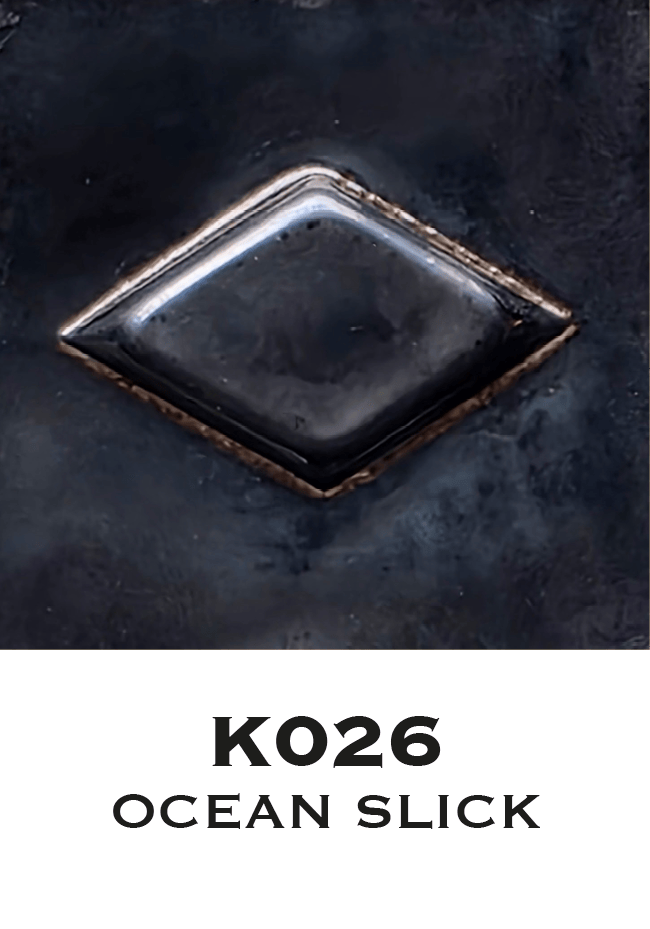
K026 Ocean Slick - By The Sea Glaze - Product Image
Click For Details

K026 Ocean Slick - By The Sea Glaze

About this glaze

By The Sea is a reactive stoneware collection created in collaboration with ceramicist Keith Brymer Jones. K026 Ocean Slick - By The Sea Glaze is part of a palette inspired by coastal colors and textures. The collection can suit independent artists, pottery studios, and ceramic businesses exploring one-off pieces or building a considered production palette.

Application

Stir well. Apply with a brush, sponge, or stamp in 2-3 coats, allowing each coat to dry before the next. Test the glaze on your clay body and keep notes on coat thickness, surface, and firing conditions before using it across a collection.

Firing and testing

Supplier guidance lists 1180-1280 degrees C (2156-2336 degrees F), Cone 4-9. Test K026 Ocean Slick - By The Sea Glaze on your clay body before production and compare the fired surface at the temperature and thickness you plan to use. Reactive glazes move in the kiln, so keep heavier coats away from the foot of the pot.

Cone 4-9
2156-2336 °F
550Ml bottles

 
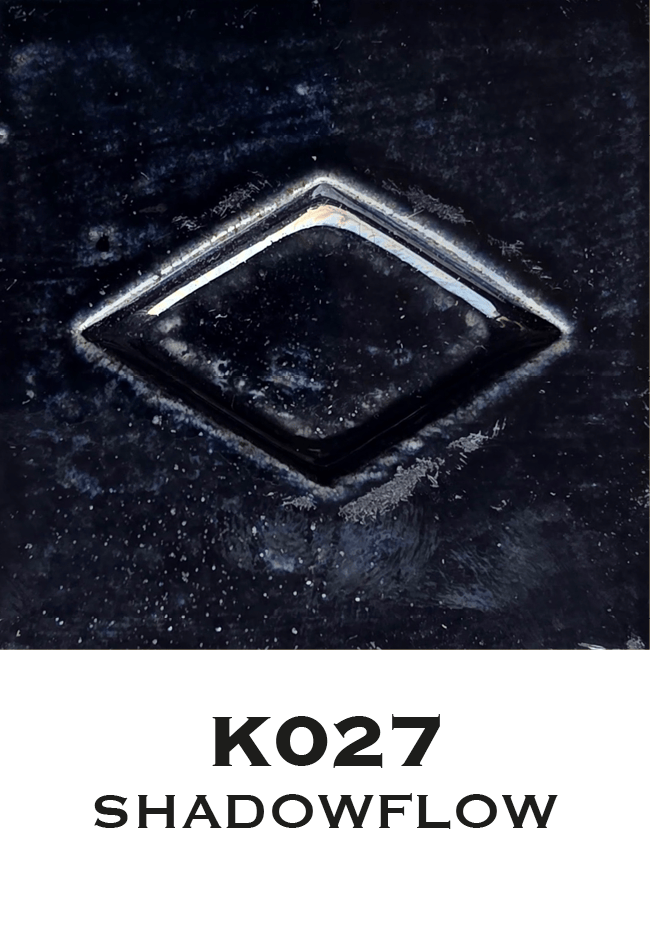
K027 Shadowflow - By The Sea Glaze - Product Image
Click For Details

K027 Shadowflow - By The Sea Glaze

About this glaze

By The Sea is a reactive stoneware collection created in collaboration with ceramicist Keith Brymer Jones. K027 Shadowflow - By The Sea Glaze is part of a palette inspired by coastal colors and textures. The collection can suit independent artists, pottery studios, and ceramic businesses exploring one-off pieces or building a considered production palette.

Application

Stir well. Apply with a brush, sponge, or stamp in 2-3 coats, allowing each coat to dry before the next. Test the glaze on your clay body and keep notes on coat thickness, surface, and firing conditions before using it across a collection.

Firing and testing

Supplier guidance lists 1180-1280 degrees C (2156-2336 degrees F), Cone 4-9. Test K027 Shadowflow - By The Sea Glaze on your clay body before production and compare the fired surface at the temperature and thickness you plan to use. Reactive glazes move in the kiln, so keep heavier coats away from the foot of the pot.

Cone 4-9
2156-2336 °F
550Ml bottles

 
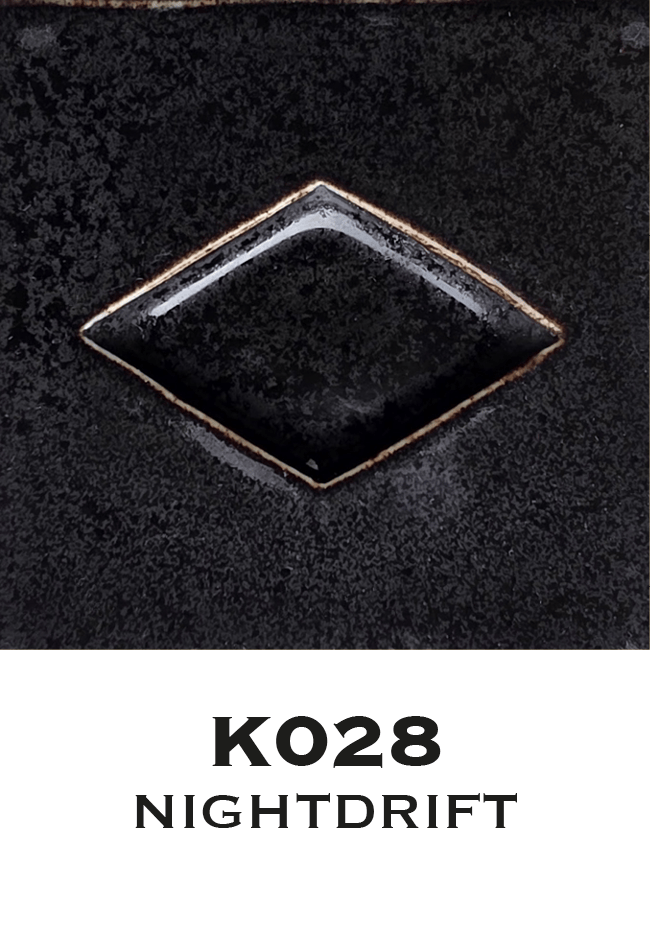
K028 Nightdrift - By The Sea Glaze - Product Image
Click For Details

K028 Nightdrift - By The Sea Glaze

About this glaze

By The Sea is a reactive stoneware collection created in collaboration with ceramicist Keith Brymer Jones. K028 Nightdrift - By The Sea Glaze is part of a palette inspired by coastal colors and textures. The collection can suit independent artists, pottery studios, and ceramic businesses exploring one-off pieces or building a considered production palette.

Application

Stir well. Apply with a brush, sponge, or stamp in 2-3 coats, allowing each coat to dry before the next. Test the glaze on your clay body and keep notes on coat thickness, surface, and firing conditions before using it across a collection.

Firing and testing

Supplier guidance lists 1180-1280 degrees C (2156-2336 degrees F), Cone 4-9. Test K028 Nightdrift - By The Sea Glaze on your clay body before production and compare the fired surface at the temperature and thickness you plan to use. Reactive glazes move in the kiln, so keep heavier coats away from the foot of the pot.

Cone 4-9
2156-2336 °F
550Ml bottles


Surface variation is part of the result

Reactive glazes respond to application, clay and firing conditions. Vibes offers effects for use alone or in layers, while By The Sea focuses on a coastal-inspired stoneware palette. Expect your fired sample to provide a better guide than a screen image alone.

Test with production in mind

Record your clay body, layer order, coat thickness and kiln schedule. Some reactive glazes can move at higher temperatures, so read the product's application notes and allow for any stated runoff.

Start with a small test series and compare the results before applying a new combination to finished pieces. The glaze guide helps you compare the collections.

Cart 7 Shopping Cart