Compare ceramic glazes with a glossy finish, from clear color to surfaces that highlight texture. Browse the swatches below and open each glaze for its firing and application notes.
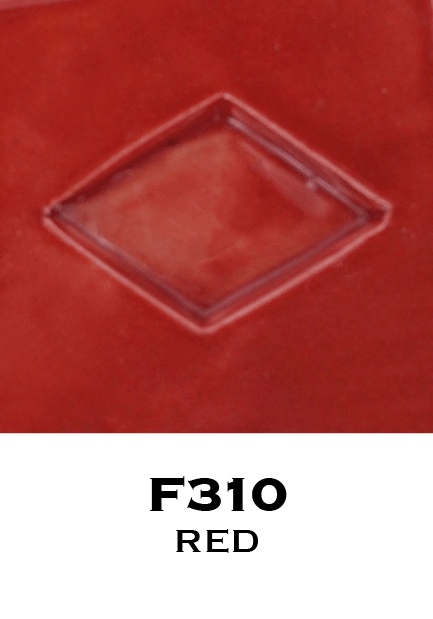
F310 Red is the red color in the Bright collection of glossy ceramic glazes.
Application
Stir well. Apply with a brush, sponge, or stamp in 2-3 coats, allowing each coat to dry before the next. Record the clay body, coat count, and combinations when testing a studio process.
Firing and testing
Supplier guidance lists 1180-1280 degrees C, Cone 4-9. Test F310 Red - Bright Glaze on your clay body before production and compare the fired surface at the temperature and thickness you plan to use.
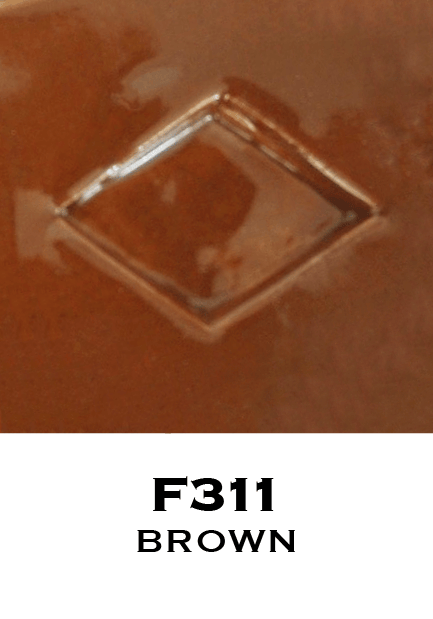
F311 Brown is the brown option in Studio Line's glossy Bright range for stoneware and porcelain.
Application
Stir well. Apply with a brush, sponge, or stamp in 2-3 coats, allowing each coat to dry before the next. Record the clay body, coat count, and combinations when testing a studio process.
Firing and testing
Supplier guidance lists 1180-1280 degrees C, Cone 4-9. Test F311 Brown - Bright Glaze on your clay body before production and compare the fired surface at the temperature and thickness you plan to use.
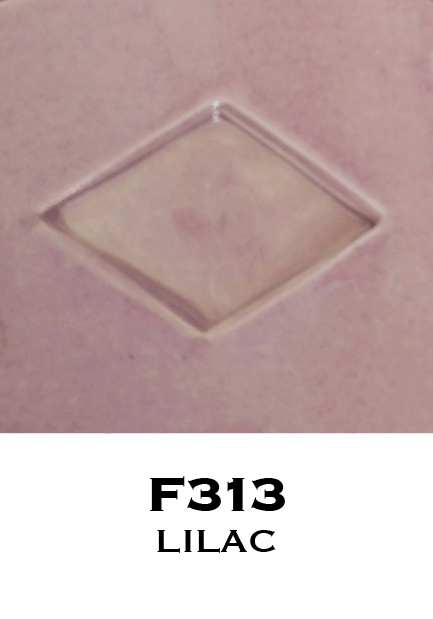
F313 Lilac is the lilac color in the Bright collection. It has its own SKU and swatch, separate from F314 Purple.
Application
Stir well. Apply with a brush, sponge, or stamp in 2-3 coats, allowing each coat to dry before the next. Record the clay body, coat count, and combinations when testing a studio process.
Firing and testing
Supplier guidance lists 1180-1280 degrees C, Cone 4-9. Test F313 Lilac - Bright Glaze on your clay body before production and compare the fired surface at the temperature and thickness you plan to use.
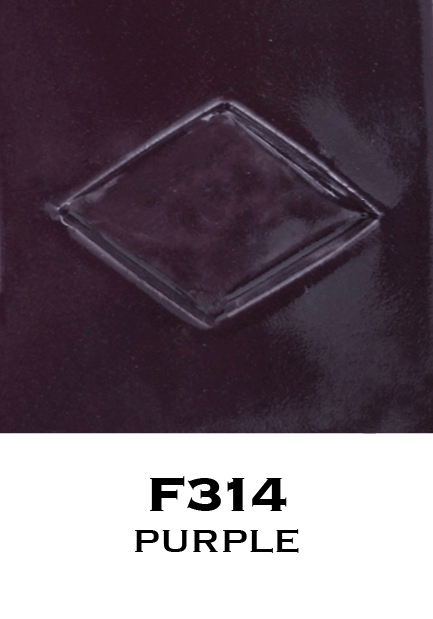
F314 Purple is the purple glaze in the glossy Bright range, listed separately from the collection's F313 Lilac.
Application
Stir well. Apply with a brush, sponge, or stamp in 2-3 coats, allowing each coat to dry before the next. Record the clay body, coat count, and combinations when testing a studio process.
Firing and testing
Supplier guidance lists 1180-1280 degrees C, Cone 4-9. Test F314 Purple - Bright Glaze on your clay body before production and compare the fired surface at the temperature and thickness you plan to use.
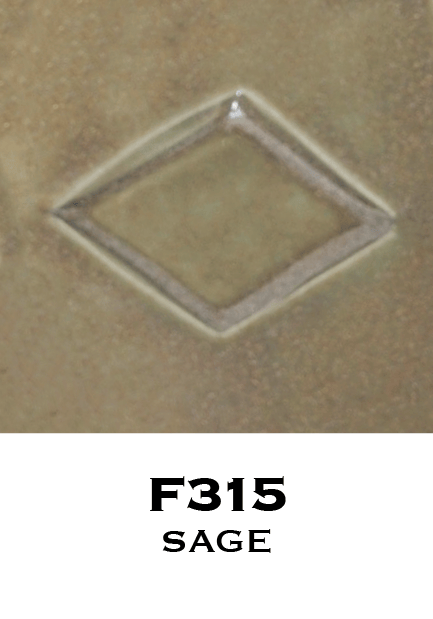
F315 Sage is the sage color in the Bright collection. Sage belongs to this glossy range, alongside Dark Green and Lime Green.
Application
Stir well. Apply with a brush, sponge, or stamp in 2-3 coats, allowing each coat to dry before the next. Record the clay body, coat count, and combinations when testing a studio process.
Firing and testing
Supplier guidance lists 1180-1280 degrees C, Cone 4-9. Test F315 Sage - Bright Glaze on your clay body before production and compare the fired surface at the temperature and thickness you plan to use.
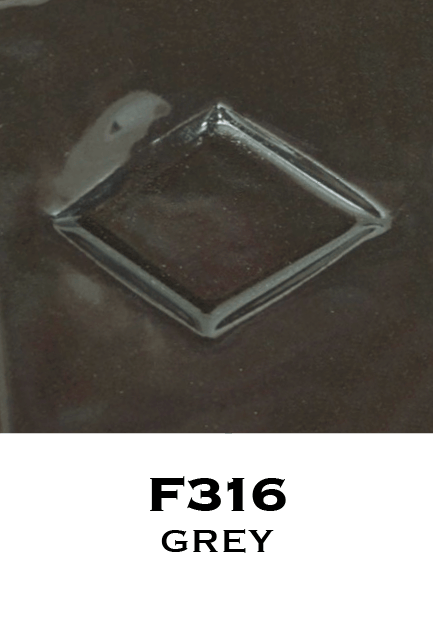
F316 Grey is the grey glaze in the Studio Line Bright collection, with the range's glossy finish.
Application
Stir well. Apply with a brush, sponge, or stamp in 2-3 coats, allowing each coat to dry before the next. Record the clay body, coat count, and combinations when testing a studio process.
Firing and testing
Supplier guidance lists 1180-1280 degrees C, Cone 4-9. Test F316 Grey - Bright Glaze on your clay body before production and compare the fired surface at the temperature and thickness you plan to use.
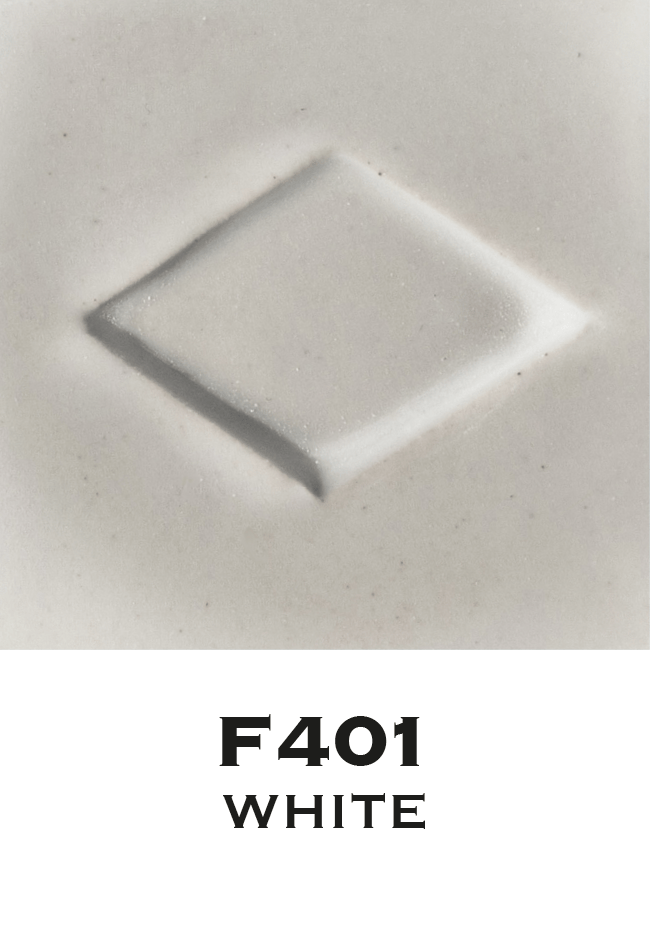
Celadon is a translucent glossy Studio Line collection that shows more variation where glaze gathers on carved or textured surfaces. Recessed areas may develop richer color or gloss, while raised areas can stay lighter, helping form and texture read clearly. F401 White - Celadon Glaze is suited to independent artists, pottery studios, and ceramic businesses making one-off work or repeatable collections. It can be combined with Matt for a satin effect, or used with Vibes as a top coat for a reactive surface change.
Application
Stir well. Apply with a brush, sponge, or stamp in 2-3 coats, letting each coat dry before the next. Test on a textured sample as well as a flatter form so you can compare pooling.
Firing and testing
Supplier guidance lists 1180-1280 degrees C, Cone 4-9. Test F401 White - Celadon Glaze on your clay body and record coat thickness, texture, and firing conditions before production.
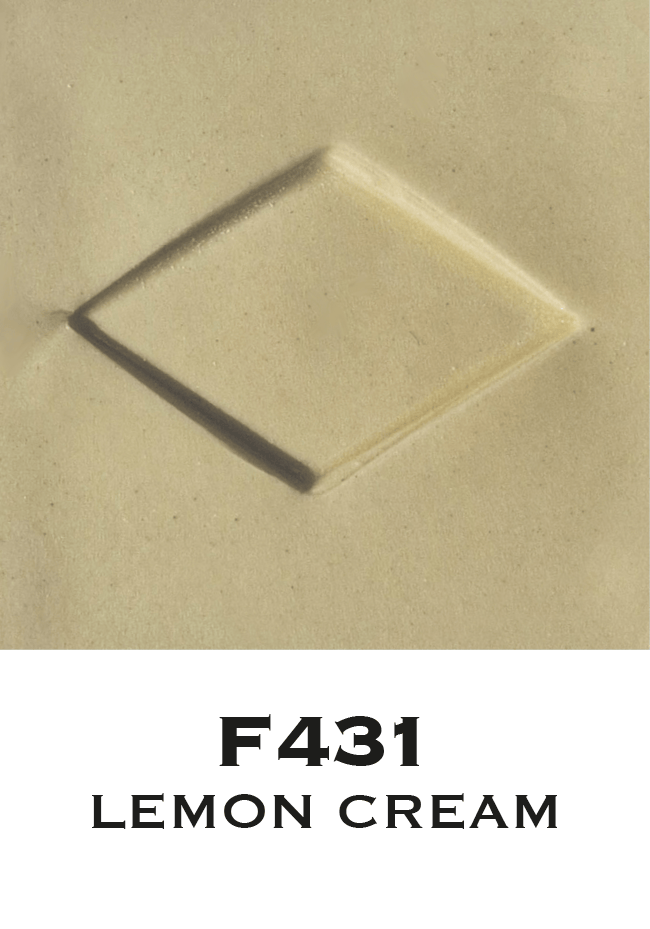
Celadon is a translucent glossy Studio Line collection that shows more variation where glaze gathers on carved or textured surfaces. Recessed areas may develop richer color or gloss, while raised areas can stay lighter, helping form and texture read clearly. F431 Lemon Cream - Celadon Glaze is suited to independent artists, pottery studios, and ceramic businesses making one-off work or repeatable collections. It can be combined with Matt for a satin effect, or used with Vibes as a top coat for a reactive surface change.
Application
Stir well. Apply with a brush, sponge, or stamp in 2-3 coats, letting each coat dry before the next. Test on a textured sample as well as a flatter form so you can compare pooling.
Firing and testing
Supplier guidance lists 1180-1280 degrees C, Cone 4-9. Test F431 Lemon Cream - Celadon Glaze on your clay body and record coat thickness, texture, and firing conditions before production.
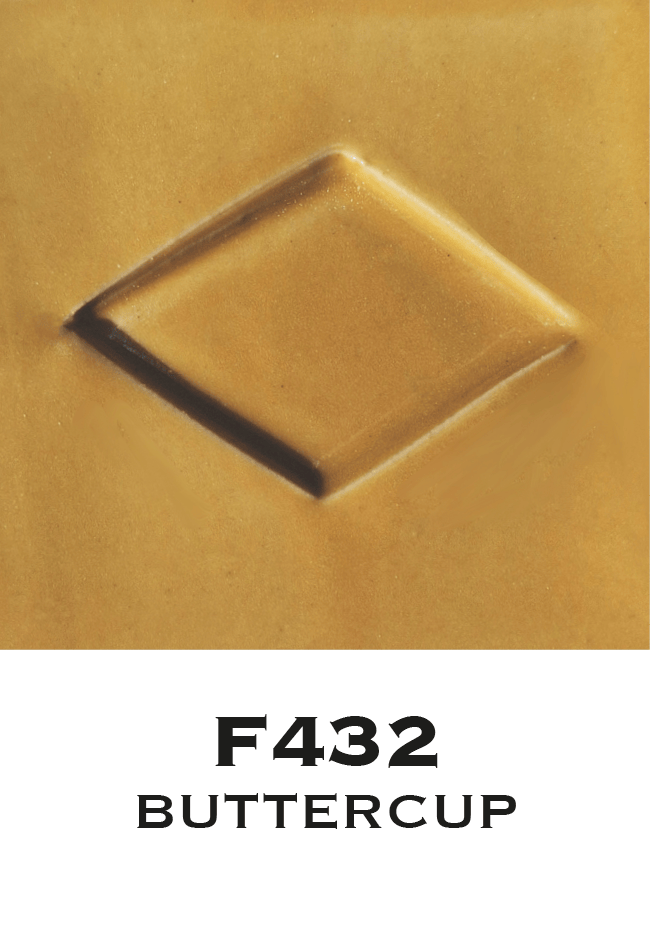
Celadon is a translucent glossy Studio Line collection that shows more variation where glaze gathers on carved or textured surfaces. Recessed areas may develop richer color or gloss, while raised areas can stay lighter, helping form and texture read clearly. F432 Buttercup - Celadon Glaze is suited to independent artists, pottery studios, and ceramic businesses making one-off work or repeatable collections. It can be combined with Matt for a satin effect, or used with Vibes as a top coat for a reactive surface change.
Application
Stir well. Apply with a brush, sponge, or stamp in 2-3 coats, letting each coat dry before the next. Test on a textured sample as well as a flatter form so you can compare pooling.
Firing and testing
Supplier guidance lists 1180-1280 degrees C, Cone 4-9. Test F432 Buttercup - Celadon Glaze on your clay body and record coat thickness, texture, and firing conditions before production.
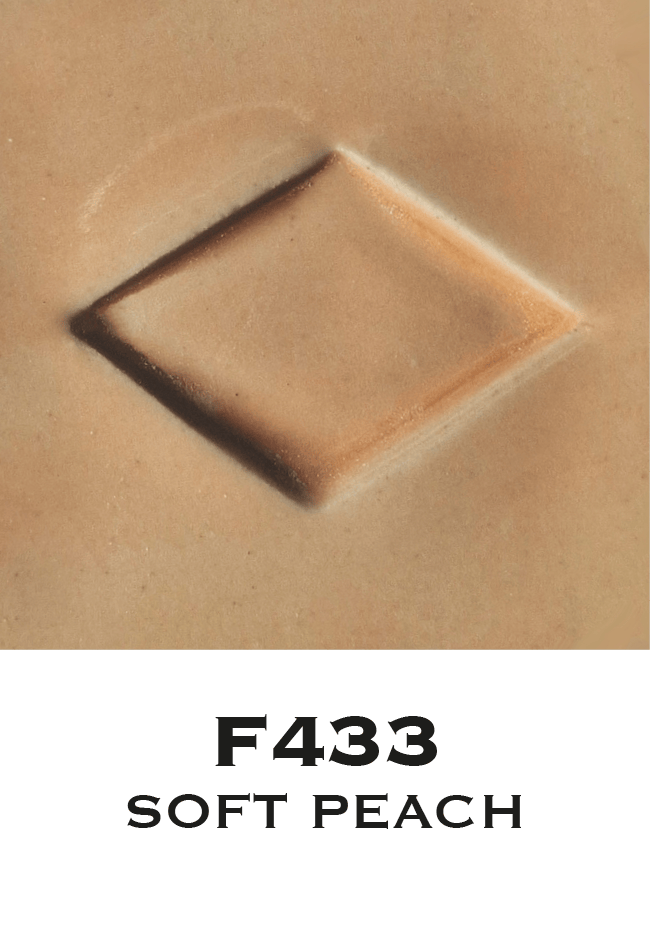
Celadon is a translucent glossy Studio Line collection that shows more variation where glaze gathers on carved or textured surfaces. Recessed areas may develop richer color or gloss, while raised areas can stay lighter, helping form and texture read clearly. F433 Soft Peach - Celadon Glaze is suited to independent artists, pottery studios, and ceramic businesses making one-off work or repeatable collections. It can be combined with Matt for a satin effect, or used with Vibes as a top coat for a reactive surface change.
Application
Stir well. Apply with a brush, sponge, or stamp in 2-3 coats, letting each coat dry before the next. Test on a textured sample as well as a flatter form so you can compare pooling.
Firing and testing
Supplier guidance lists 1180-1280 degrees C, Cone 4-9. Test F433 Soft Peach - Celadon Glaze on your clay body and record coat thickness, texture, and firing conditions before production.
Choose the kind of gloss you need
A glossy finish describes the surface, but glazes within this group can differ in transparency, color and behavior. Bright offers transparent glossy color; Celadon can emphasize texture through pooling. Use the product details to judge a glaze beyond its swatch.
Match the glaze to your process
Check the individual firing range and application instructions. Test on your own clay body, including carved or textured areas where glaze can collect. If you are comparing blends or layers, keep coat thickness and kiln conditions consistent.