Bring carved and textured surfaces into focus with translucent, glossy color. Browse Celadon shades and compare how glaze pooling can add depth to your pottery.
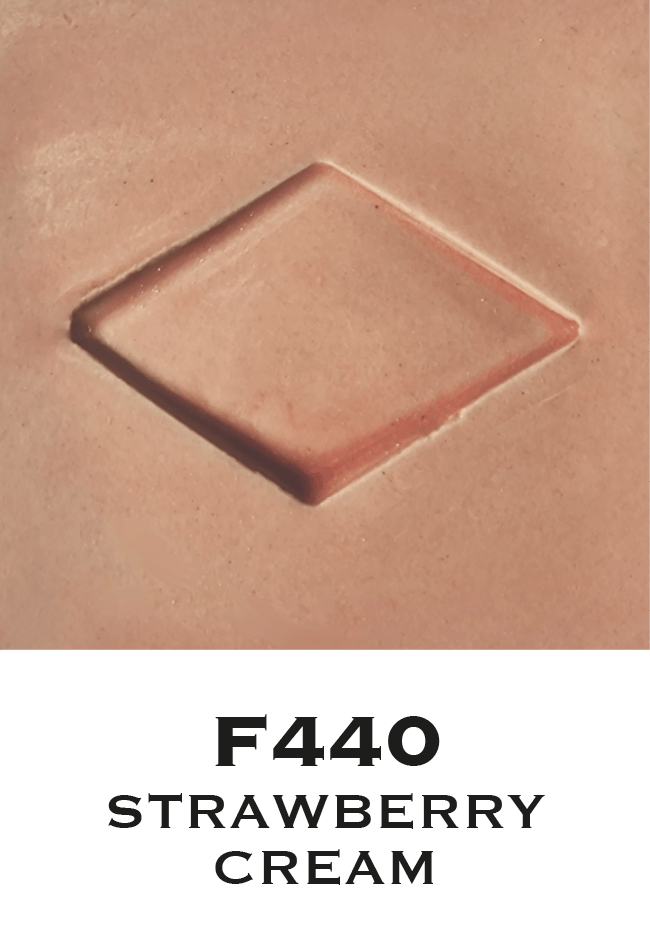
Celadon is a translucent glossy Studio Line collection that shows more variation where glaze gathers on carved or textured surfaces. Recessed areas may develop richer color or gloss, while raised areas can stay lighter, helping form and texture read clearly. F440 Strawberry Cream - Celadon Glaze is suited to independent artists, pottery studios, and ceramic businesses making one-off work or repeatable collections. It can be combined with Matt for a satin effect, or used with Vibes as a top coat for a reactive surface change.
Application
Stir well. Apply with a brush, sponge, or stamp in 2-3 coats, letting each coat dry before the next. Test on a textured sample as well as a flatter form so you can compare pooling.
Firing and testing
Supplier guidance lists 1180-1280 degrees C, Cone 4-9. Test F440 Strawberry Cream - Celadon Glaze on your clay body and record coat thickness, texture, and firing conditions before production.
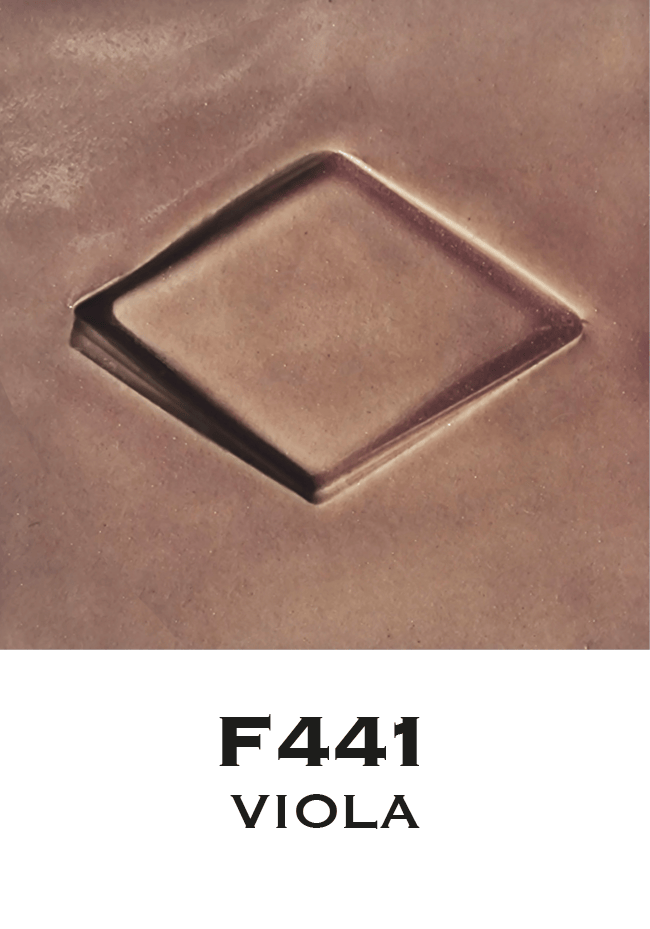
Celadon is a translucent glossy Studio Line collection that shows more variation where glaze gathers on carved or textured surfaces. Recessed areas may develop richer color or gloss, while raised areas can stay lighter, helping form and texture read clearly. F441 Viola - Celadon Glaze is suited to independent artists, pottery studios, and ceramic businesses making one-off work or repeatable collections. It can be combined with Matt for a satin effect, or used with Vibes as a top coat for a reactive surface change.
Application
Stir well. Apply with a brush, sponge, or stamp in 2-3 coats, letting each coat dry before the next. Test on a textured sample as well as a flatter form so you can compare pooling.
Firing and testing
Supplier guidance lists 1180-1280 degrees C, Cone 4-9. Test F441 Viola - Celadon Glaze on your clay body and record coat thickness, texture, and firing conditions before production.
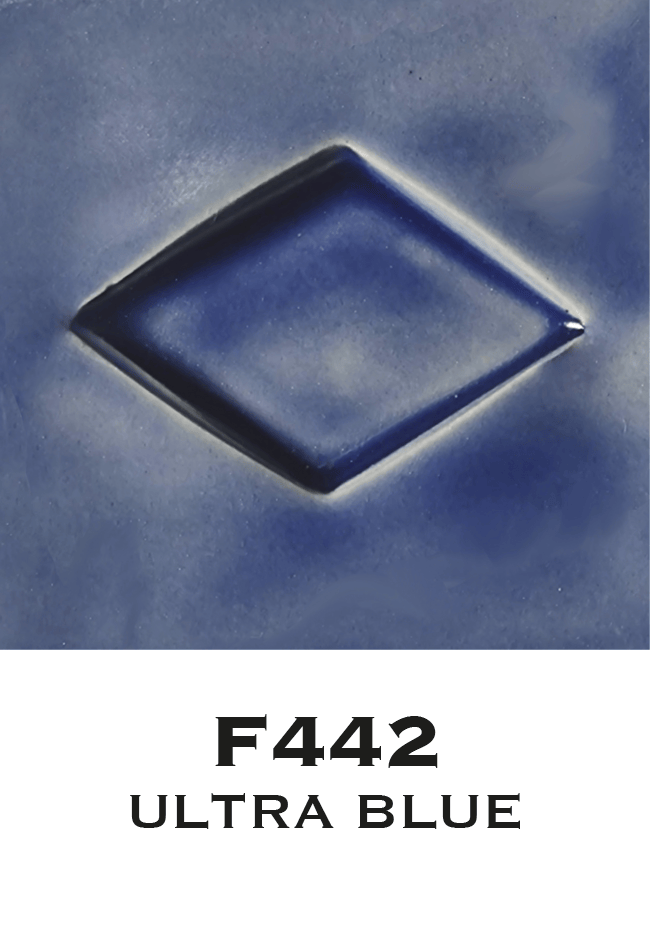
Celadon is a translucent glossy Studio Line collection that shows more variation where glaze gathers on carved or textured surfaces. Recessed areas may develop richer color or gloss, while raised areas can stay lighter, helping form and texture read clearly. F442 Ultra Blue - Celadon Glaze is suited to independent artists, pottery studios, and ceramic businesses making one-off work or repeatable collections. It can be combined with Matt for a satin effect, or used with Vibes as a top coat for a reactive surface change.
Application
Stir well. Apply with a brush, sponge, or stamp in 2-3 coats, letting each coat dry before the next. Test on a textured sample as well as a flatter form so you can compare pooling.
Firing and testing
Supplier guidance lists 1180-1280 degrees C, Cone 4-9. Test F442 Ultra Blue - Celadon Glaze on your clay body and record coat thickness, texture, and firing conditions before production.
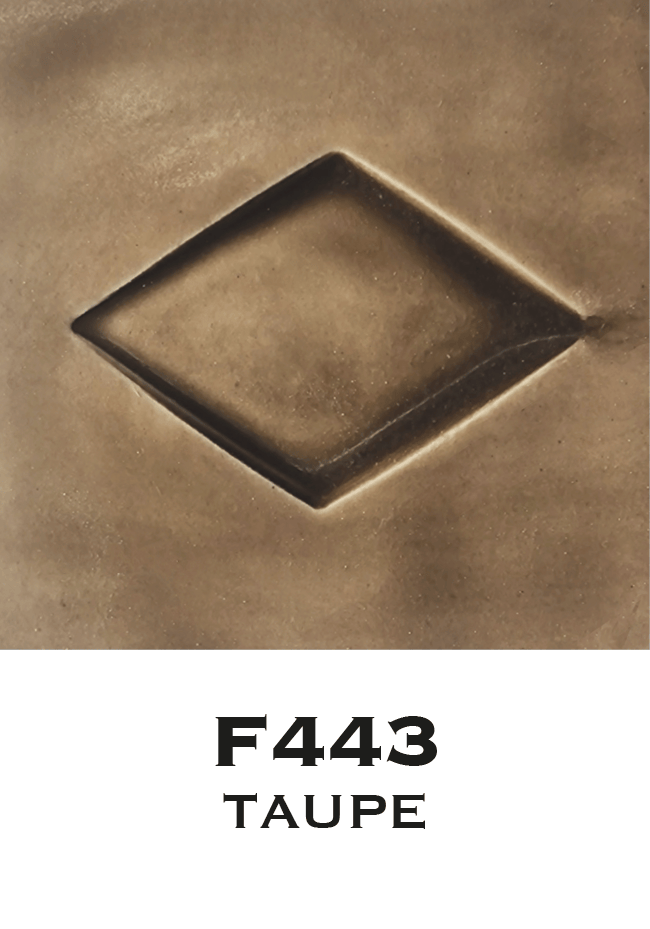
Celadon is a translucent glossy Studio Line collection that shows more variation where glaze gathers on carved or textured surfaces. Recessed areas may develop richer color or gloss, while raised areas can stay lighter, helping form and texture read clearly. F443 Taupe - Celadon Glaze is suited to independent artists, pottery studios, and ceramic businesses making one-off work or repeatable collections. It can be combined with Matt for a satin effect, or used with Vibes as a top coat for a reactive surface change.
Application
Stir well. Apply with a brush, sponge, or stamp in 2-3 coats, letting each coat dry before the next. Test on a textured sample as well as a flatter form so you can compare pooling.
Firing and testing
Supplier guidance lists 1180-1280 degrees C, Cone 4-9. Test F443 Taupe - Celadon Glaze on your clay body and record coat thickness, texture, and firing conditions before production.
Color that responds to texture
Celadon glazes collect in recessed areas, producing richer color while raised areas can appear lighter. This variation can emphasize carving, impressed patterns and changes in the ceramic surface. Test the glaze on a tile with the same texture as your finished work.
Application and layering
Stir well and apply 2-3 coats by brush, sponge or stamp, letting each coat dry. Colors can be intermixed. Supplier notes suggest Matt combinations for a satin look or a Vibes top coat for reactive effects.
Follow each glaze's firing guidance. Clay color, application thickness and pooling will influence the result; compare fired samples before using a combination across a collection.