Explore coastal-inspired colors and reactive surfaces for stoneware. Compare the By The Sea collection to find shades that suit individual pieces or a coordinated studio collection.
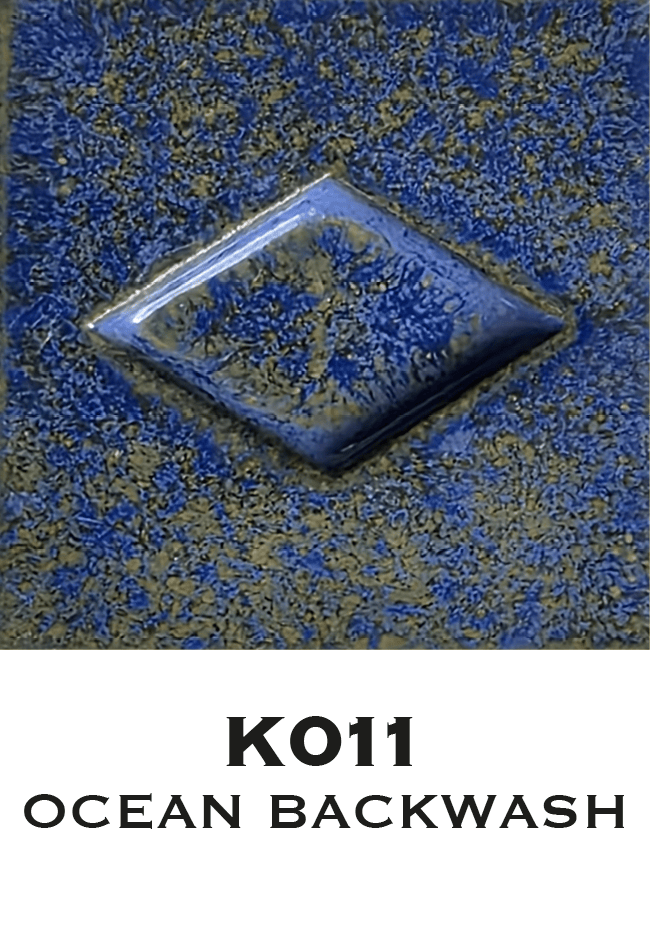
By The Sea is a reactive stoneware collection created in collaboration with ceramicist Keith Brymer Jones. K011 Ocean Backwash - By The Sea Glaze is part of a palette inspired by coastal colors and textures. The collection can suit independent artists, pottery studios, and ceramic businesses exploring one-off pieces or building a considered production palette.
Application
Stir well. Apply with a brush, sponge, or stamp in 2-3 coats, allowing each coat to dry before the next. Test the glaze on your clay body and keep notes on coat thickness, surface, and firing conditions before using it across a collection.
Firing and testing
Supplier guidance lists 1180-1280 degrees C (2156-2336 degrees F), Cone 4-9. Test K011 Ocean Backwash - By The Sea Glaze on your clay body before production and compare the fired surface at the temperature and thickness you plan to use. Reactive glazes move in the kiln, so keep heavier coats away from the foot of the pot.
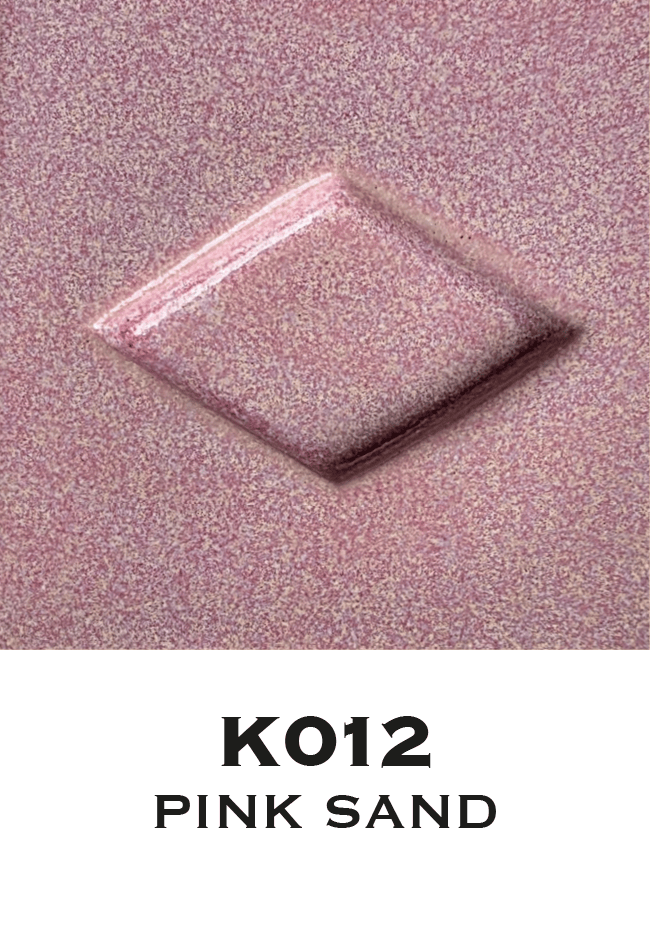
By The Sea is a reactive stoneware collection created in collaboration with ceramicist Keith Brymer Jones. K012 Pink Sand - By The Sea Glaze is part of a palette inspired by coastal colors and textures. The collection can suit independent artists, pottery studios, and ceramic businesses exploring one-off pieces or building a considered production palette.
Application
Stir well. Apply with a brush, sponge, or stamp in 2-3 coats, allowing each coat to dry before the next. Test the glaze on your clay body and keep notes on coat thickness, surface, and firing conditions before using it across a collection.
Firing and testing
Supplier guidance lists 1180-1280 degrees C (2156-2336 degrees F), Cone 4-9. Test K012 Pink Sand - By The Sea Glaze on your clay body before production and compare the fired surface at the temperature and thickness you plan to use. Reactive glazes move in the kiln, so keep heavier coats away from the foot of the pot.
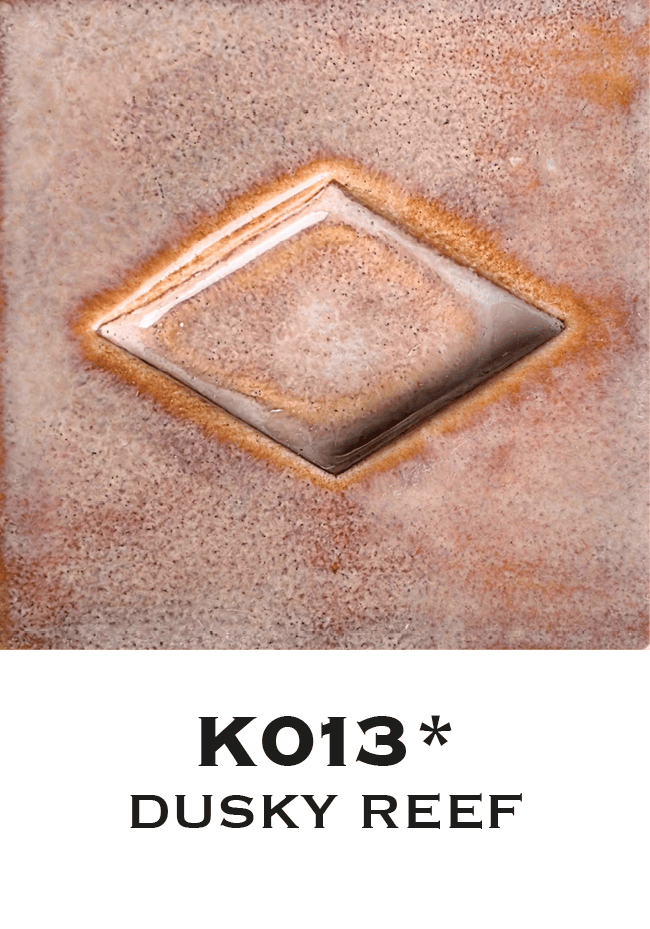
By The Sea is a reactive stoneware collection created in collaboration with ceramicist Keith Brymer Jones. K013 Dusky Reef - By The Sea Glaze is part of a palette inspired by coastal colors and textures. The collection can suit independent artists, pottery studios, and ceramic businesses exploring one-off pieces or building a considered production palette.
Application
Stir well. Apply with a brush, sponge, or stamp in 2-3 coats, allowing each coat to dry before the next. Test the glaze on your clay body and keep notes on coat thickness, surface, and firing conditions before using it across a collection.
Firing and testing
Supplier guidance lists about 1140-1240 degrees C (2084-2264 degrees F), Cone 2-6. Test K013 Dusky Reef - By The Sea Glaze on your clay body before production and compare the fired surface at the temperature and thickness you plan to use. Reactive glazes move in the kiln, so keep heavier coats away from the foot of the pot.
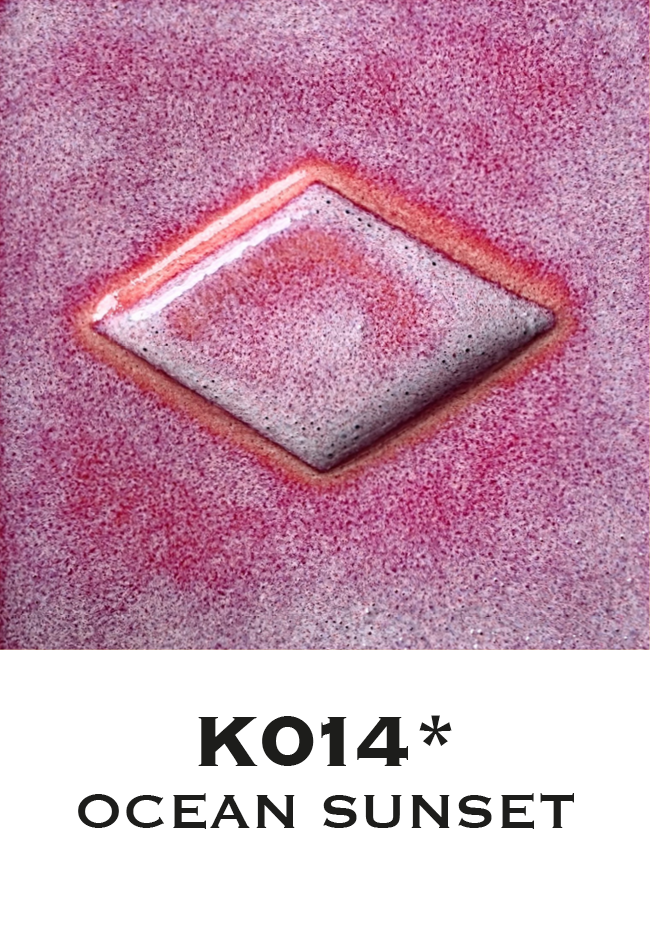
By The Sea is a reactive stoneware collection created in collaboration with ceramicist Keith Brymer Jones. K014 Ocean Sunset - By The Sea Glaze is part of a palette inspired by coastal colors and textures. The collection can suit independent artists, pottery studios, and ceramic businesses exploring one-off pieces or building a considered production palette.
Application
Stir well. Apply with a brush, sponge, or stamp in 2-3 coats, allowing each coat to dry before the next. Test the glaze on your clay body and keep notes on coat thickness, surface, and firing conditions before using it across a collection.
Firing and testing
Supplier guidance lists about 1140-1240 degrees C (2084-2264 degrees F), Cone 2-6. Test K014 Ocean Sunset - By The Sea Glaze on your clay body before production and compare the fired surface at the temperature and thickness you plan to use. Reactive glazes move in the kiln, so keep heavier coats away from the foot of the pot.
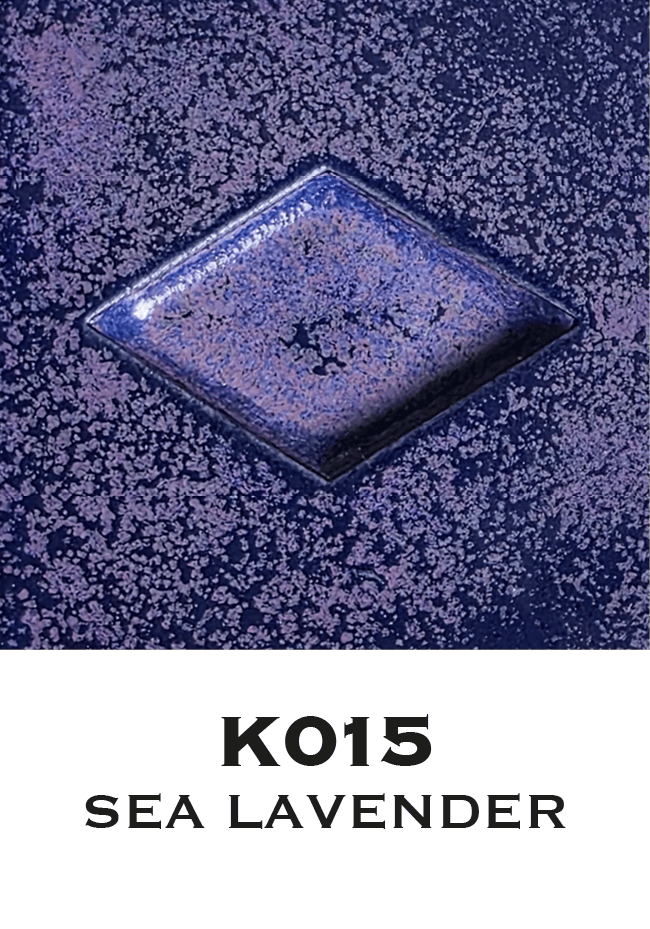
By The Sea is a reactive stoneware collection created in collaboration with ceramicist Keith Brymer Jones. K015 Sea Lavender - By The Sea Glaze is part of a palette inspired by coastal colors and textures. The collection can suit independent artists, pottery studios, and ceramic businesses exploring one-off pieces or building a considered production palette.
Application
Stir well. Apply with a brush, sponge, or stamp in 2-3 coats, allowing each coat to dry before the next. Test the glaze on your clay body and keep notes on coat thickness, surface, and firing conditions before using it across a collection.
Firing and testing
Supplier guidance lists 1180-1280 degrees C (2156-2336 degrees F), Cone 4-9. Test K015 Sea Lavender - By The Sea Glaze on your clay body before production and compare the fired surface at the temperature and thickness you plan to use. Reactive glazes move in the kiln, so keep heavier coats away from the foot of the pot.
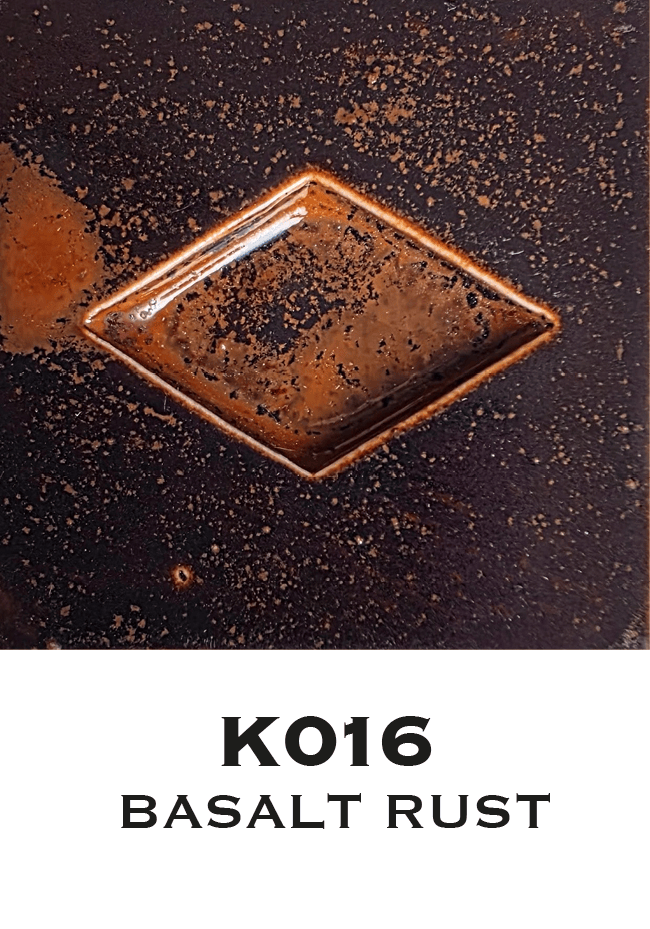
By The Sea is a reactive stoneware collection created in collaboration with ceramicist Keith Brymer Jones. K016 Basalt Rust - By The Sea Glaze is part of a palette inspired by coastal colors and textures. The collection can suit independent artists, pottery studios, and ceramic businesses exploring one-off pieces or building a considered production palette.
Application
Stir well. Apply with a brush, sponge, or stamp in 2-3 coats, allowing each coat to dry before the next. Test the glaze on your clay body and keep notes on coat thickness, surface, and firing conditions before using it across a collection.
Firing and testing
Supplier guidance lists 1180-1280 degrees C (2156-2336 degrees F), Cone 4-9. Test K016 Basalt Rust - By The Sea Glaze on your clay body before production and compare the fired surface at the temperature and thickness you plan to use. Reactive glazes move in the kiln, so keep heavier coats away from the foot of the pot.
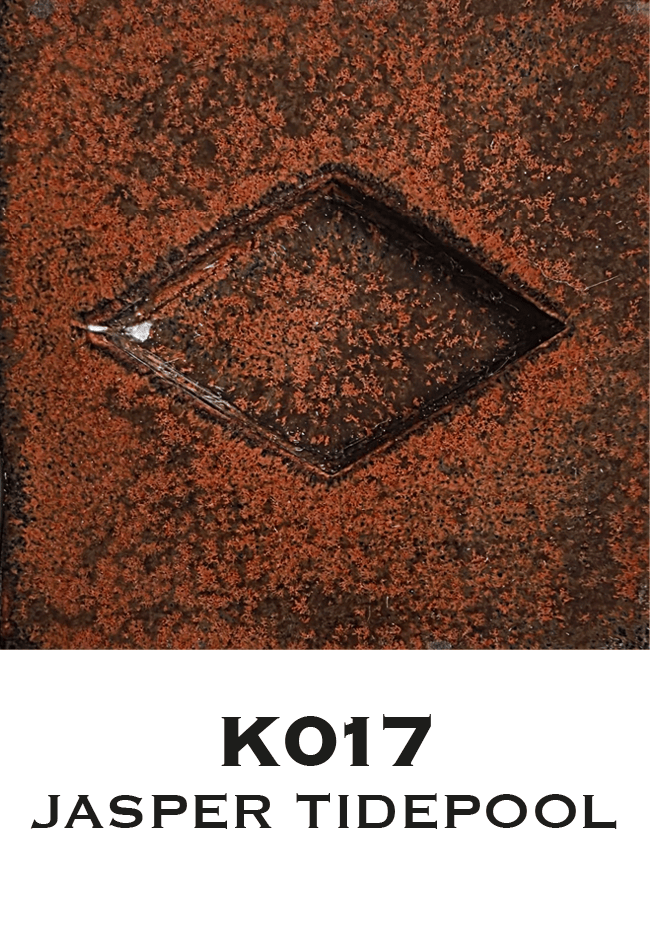
By The Sea is a reactive stoneware collection created in collaboration with ceramicist Keith Brymer Jones. K017 Jasper Tidepool - By The Sea Glaze is part of a palette inspired by coastal colors and textures. The collection can suit independent artists, pottery studios, and ceramic businesses exploring one-off pieces or building a considered production palette.
Application
Stir well. Apply with a brush, sponge, or stamp in 2-3 coats, allowing each coat to dry before the next. Test the glaze on your clay body and keep notes on coat thickness, surface, and firing conditions before using it across a collection.
Firing and testing
Supplier guidance lists 1180-1280 degrees C (2156-2336 degrees F), Cone 4-9. Test K017 Jasper Tidepool - By The Sea Glaze on your clay body before production and compare the fired surface at the temperature and thickness you plan to use. Reactive glazes move in the kiln, so keep heavier coats away from the foot of the pot.
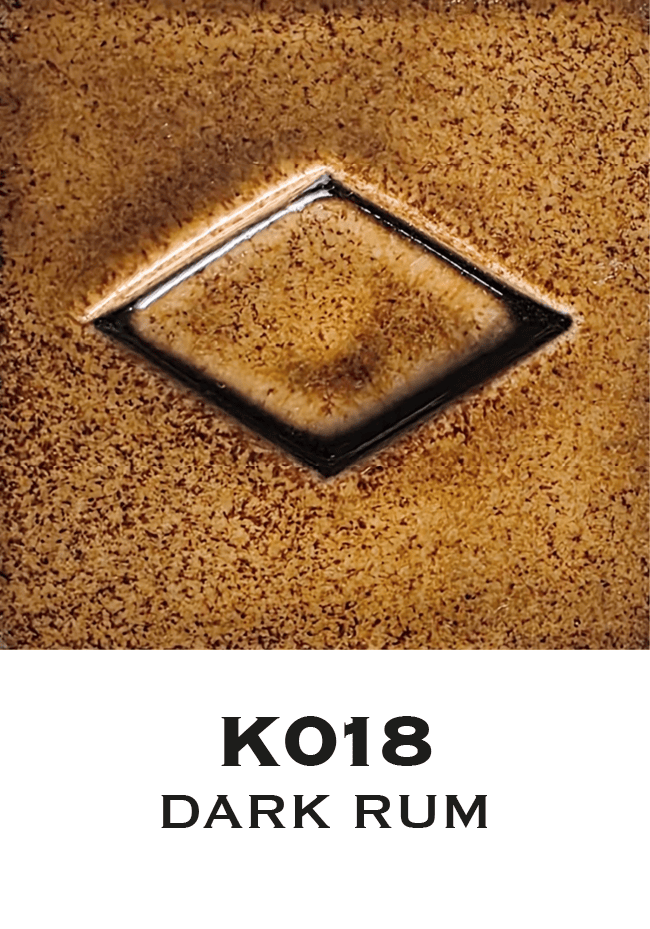
By The Sea is a reactive stoneware collection created in collaboration with ceramicist Keith Brymer Jones. K018 Dark Rum - By The Sea Glaze is part of a palette inspired by coastal colors and textures. The collection can suit independent artists, pottery studios, and ceramic businesses exploring one-off pieces or building a considered production palette.
Application
Stir well. Apply with a brush, sponge, or stamp in 2-3 coats, allowing each coat to dry before the next. Test the glaze on your clay body and keep notes on coat thickness, surface, and firing conditions before using it across a collection.
Firing and testing
Supplier guidance lists 1180-1280 degrees C (2156-2336 degrees F), Cone 4-9. Test K018 Dark Rum - By The Sea Glaze on your clay body before production and compare the fired surface at the temperature and thickness you plan to use. Reactive glazes move in the kiln, so keep heavier coats away from the foot of the pot.
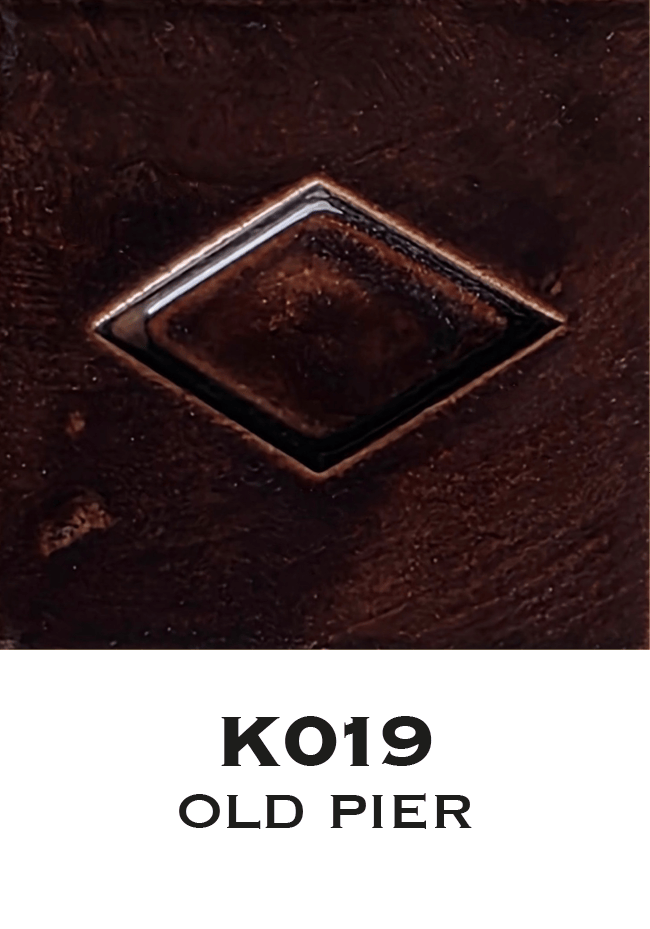
By The Sea is a reactive stoneware collection created in collaboration with ceramicist Keith Brymer Jones. K019 Old Pier - By The Sea Glaze is part of a palette inspired by coastal colors and textures. The collection can suit independent artists, pottery studios, and ceramic businesses exploring one-off pieces or building a considered production palette.
Application
Stir well. Apply with a brush, sponge, or stamp in 2-3 coats, allowing each coat to dry before the next. Test the glaze on your clay body and keep notes on coat thickness, surface, and firing conditions before using it across a collection.
Firing and testing
Supplier guidance lists 1180-1280 degrees C (2156-2336 degrees F), Cone 4-9. Test K019 Old Pier - By The Sea Glaze on your clay body before production and compare the fired surface at the temperature and thickness you plan to use. Reactive glazes move in the kiln, so keep heavier coats away from the foot of the pot.
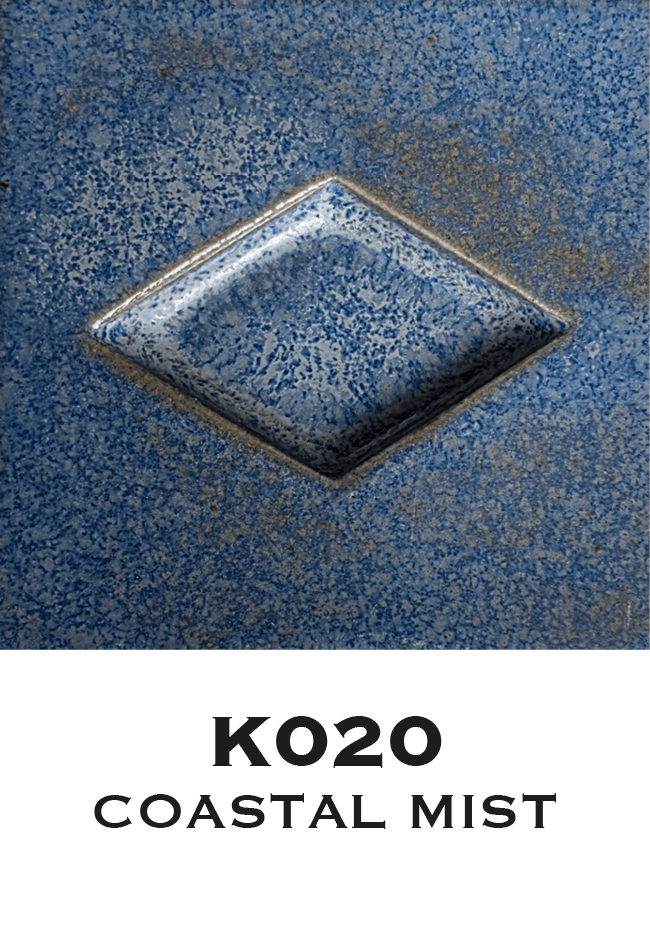
By The Sea is a reactive stoneware collection created in collaboration with ceramicist Keith Brymer Jones. K020 Coastal Mist - By The Sea Glaze is part of a palette inspired by coastal colors and textures. The collection can suit independent artists, pottery studios, and ceramic businesses exploring one-off pieces or building a considered production palette.
Application
Stir well. Apply with a brush, sponge, or stamp in 2-3 coats, allowing each coat to dry before the next. Test the glaze on your clay body and keep notes on coat thickness, surface, and firing conditions before using it across a collection.
Firing and testing
Supplier guidance lists 1180-1280 degrees C (2156-2336 degrees F), Cone 4-9. Test K020 Coastal Mist - By The Sea Glaze on your clay body before production and compare the fired surface at the temperature and thickness you plan to use. Reactive glazes move in the kiln, so keep heavier coats away from the foot of the pot.
Cone 4-9 2156-2336 °F 550Ml bottles
A coastal palette for stoneware
By The Sea is a Studio Line reactive stoneware collection developed in collaboration with potter Keith Brymer Jones. Its colors and surface variation offer starting points for work inspired by coastal tones and textures.
Build a tested selection
Stir well and apply by brush, sponge or stamp. Supplier guidance recommends 2-3 coats, allowing each layer to dry before applying the next. Check the firing information on each product rather than assuming every glaze uses the same schedule.
Make test tiles on the clay body you plan to use. Application thickness, glaze combinations and firing conditions affect the surface, so keep records when developing a repeatable collection.